

An Introduction to Tool
On the Fibonacci sequence and the modern Led Zeppelin

I thought Tool would be an easy band to write about. They aren’t. Their music is hard to describe to someone who doesn’t already know it. It’s intense, confrontational, mathematical, and hypnotic — the kind of music that can drop you into a trance while you’re flying down the highway with Lateralus blasting. Their concerts feel like a semi-religious experience. The ending of “Rosetta Stoned” sounds like what I imagine dying is like. Tool is my favorite modern band, and it isn’t remotely close. In this post I’m going to talk about Tool as if you know nothing about them.
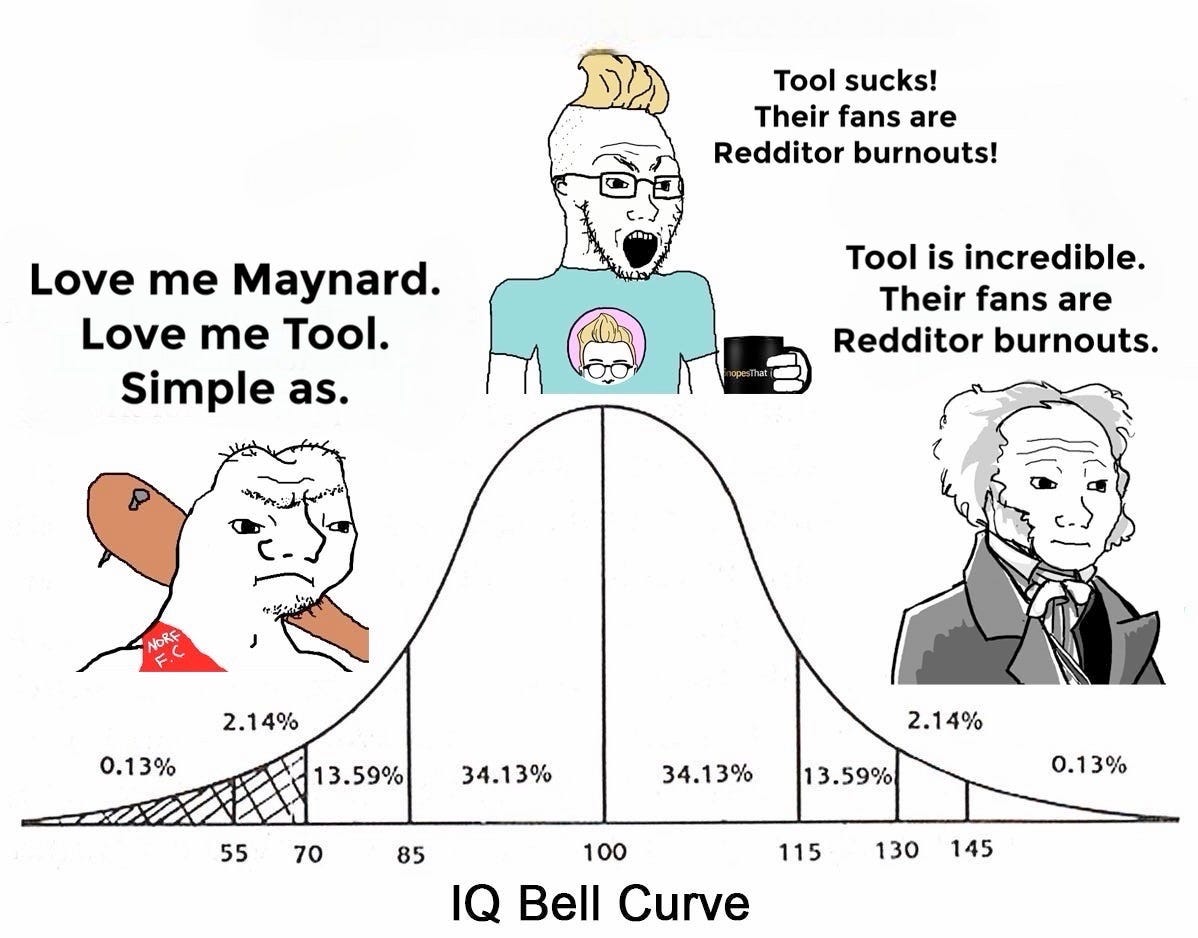
Bands with cult followings often get their reputations ruined by the cults themselves. People avoid listening from second-hand embarrassment. Despite being extremely talented, Grateful Dead is tied to boomers in tie-dyed shirts. Dave Matthews Band gets tied to douchey finance bros from the 2000’s. The average Tool fan is still nodding along while Joe Rogan turns another interview into an advertisement for DMT. Tool is most associated with Gen Xers stuck in 2003.
Thankfully not all of us are like that. Some of us can wave away the weed smoke and separate Tool’s music from their cult of burnt-out Redditors.
One more thing before I discuss their records, which might upset some of the oldest fans: I don’t like their first two albums, Opiate (1992) and Undertow (1993). I wasn’t there for them. They still sound too much like early-90’s grunge. Like every Beatles album before Rubber Soul, they just aren’t timeless. Let’s continue.
Ænima (1996)
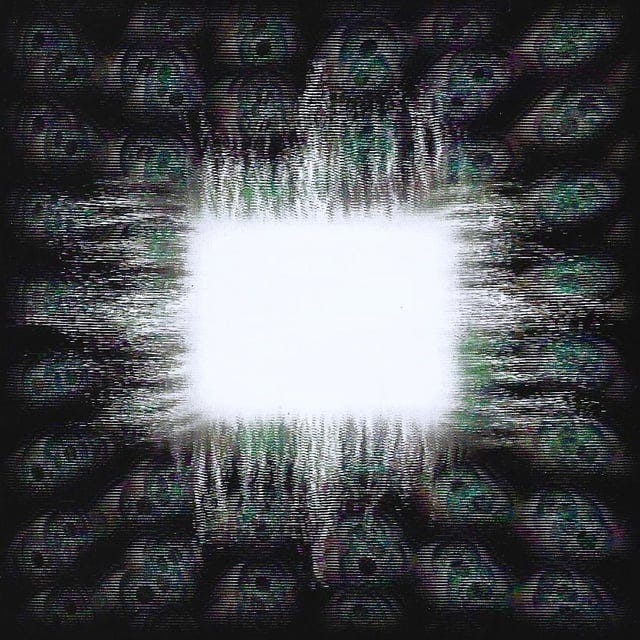
Ænima is Tool’s third album. The first track is called “Stinkfist.” Not the most pleasant word. I heard it for the first time in the passenger seat of a speeding car while stoned out of my mind. I listened to “Stinkfist” so many times that it took me over a decade to give all of Ænima a proper listen.
Anima is the Latin word for soul or lifeforce, and it’s also Carl Jung’s term for the inner feminine archetype that he believed every man has. You can see in the above video how much Jung’s thinking influenced Maynard James Keenan.
Ænima is Tool’s most raw and aggressive record. The production still has that mid-90’s grit and feels less polished than Lateralus, the album that came after. The lyrics carry a strong anti-society streak heavily inspired by the late comedian Bill Hicks — Ænima is even dedicated to him.
On “Forty Six & 2”, Danny Carey’s drumming is polyrhythmic and tribal. The most blunt and anti-sellout track on the album is “Hooker with a Penis”, showing hostility towards both the music industry and their own cult following. The lyrics of the title track, “Ænima”, are about the superficial celebrity culture of LA, building off of a rant from Bill Hicks about how LA deserves to drown.
This hopeless fucking hole we call LA
The only way to fix it
Is to flush it all away
Any fucking time
Any fucking day
Learn to swim
See you down in Arizona Bay
My favorite songs off Ænima are: “Forty Six & 2”, “Ænima”, “Stinkfist”, “H.” and “Hooker with a Penis.”
Ænima has one foot in the aggressive grunge sound of the 90’s while developing the mathematical and meditative sound that fully appears on their next album.
Lateralus (2001)
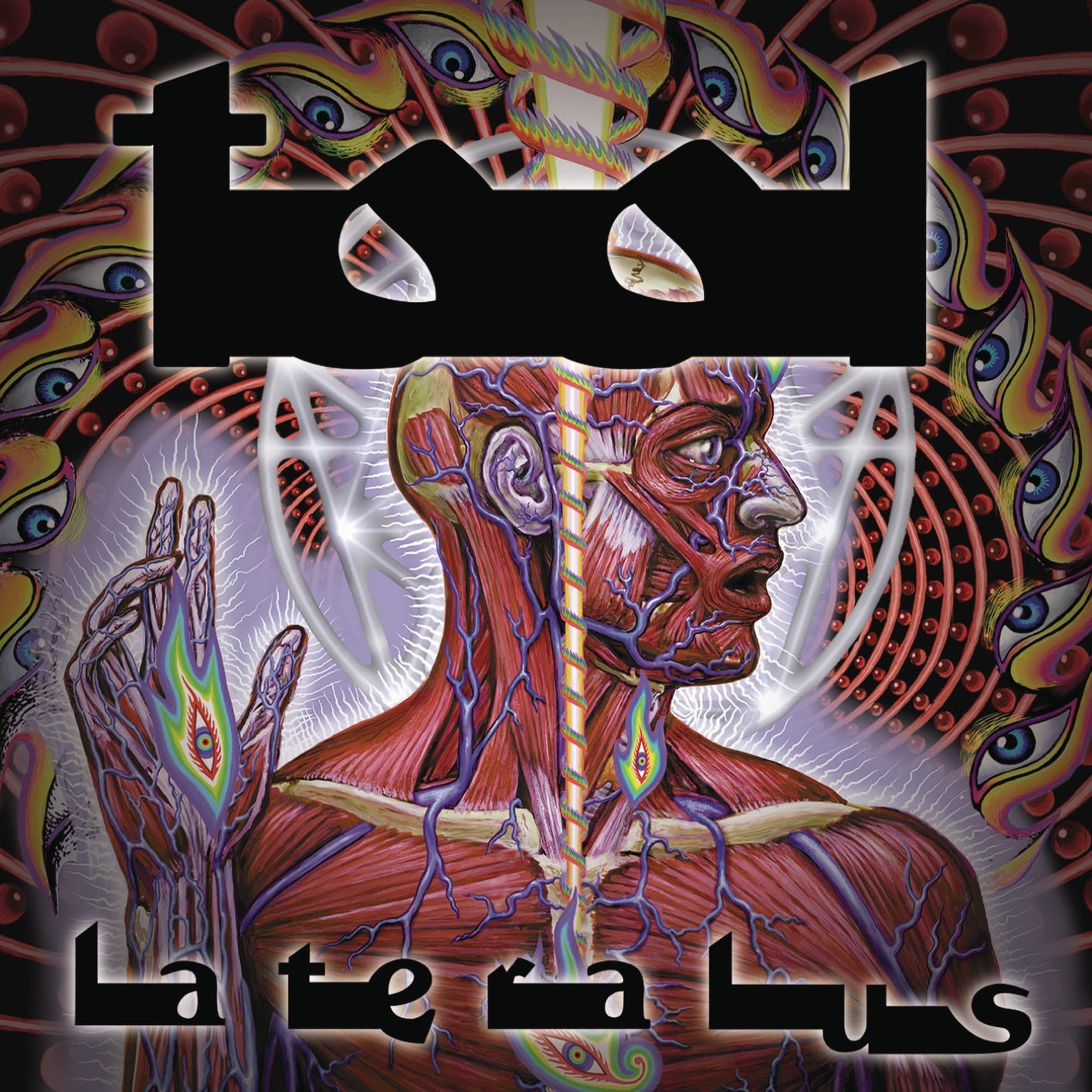
Lateralus is a masterpiece. It’s the album that elevated me from a casual listener to a serious fan. Lateralus is hypnotic, meditative, and cathartic. It’s hard to describe it without using the word ‘transcendent.’
Lateralus has a deliberate mathematical layer because Tool applied the Fibonacci Sequence: an infinite set where every number is the sum of the two before it. The ratio between each consecutive number gets closer to the Golden Ratio as the numbers continue. You’ve probably seen the Golden Ratio image layered over pictures of nature, art, and architecture.
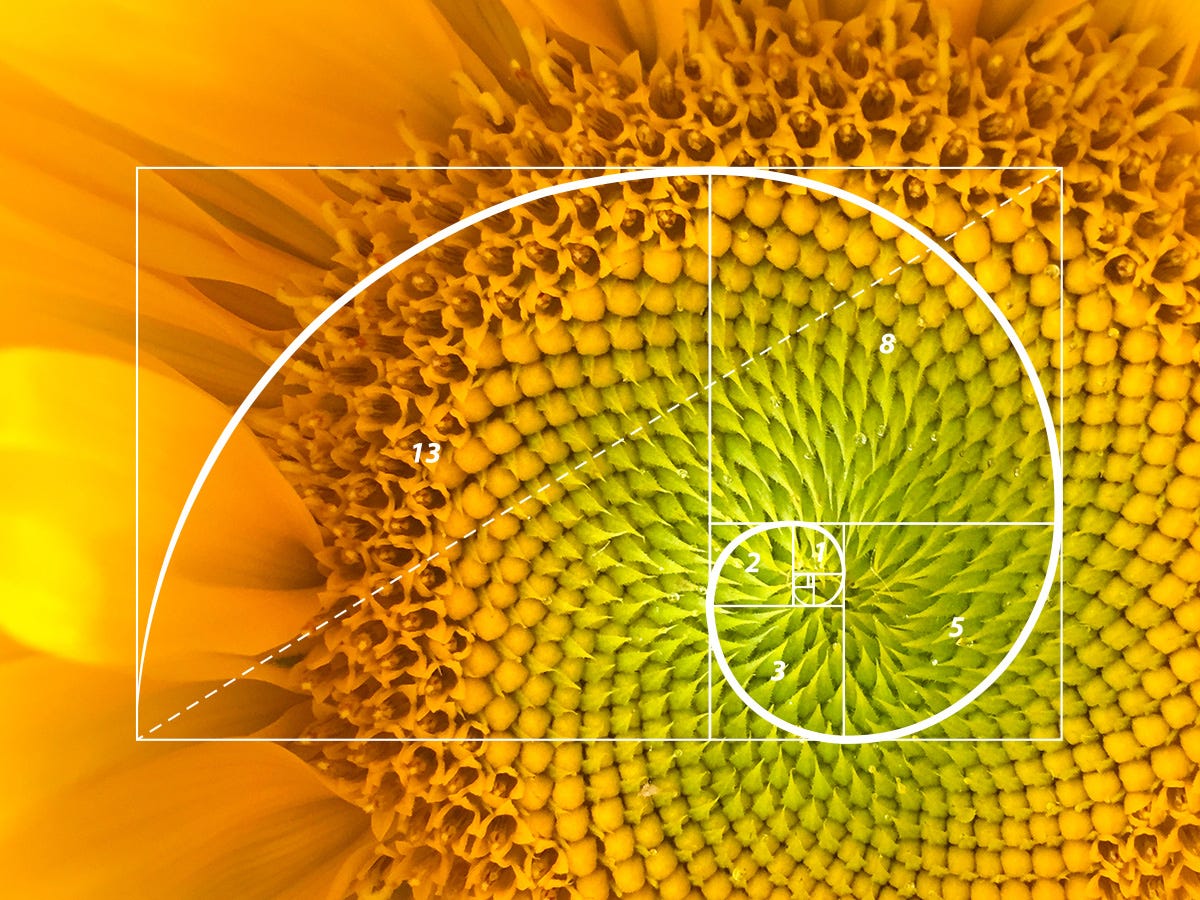
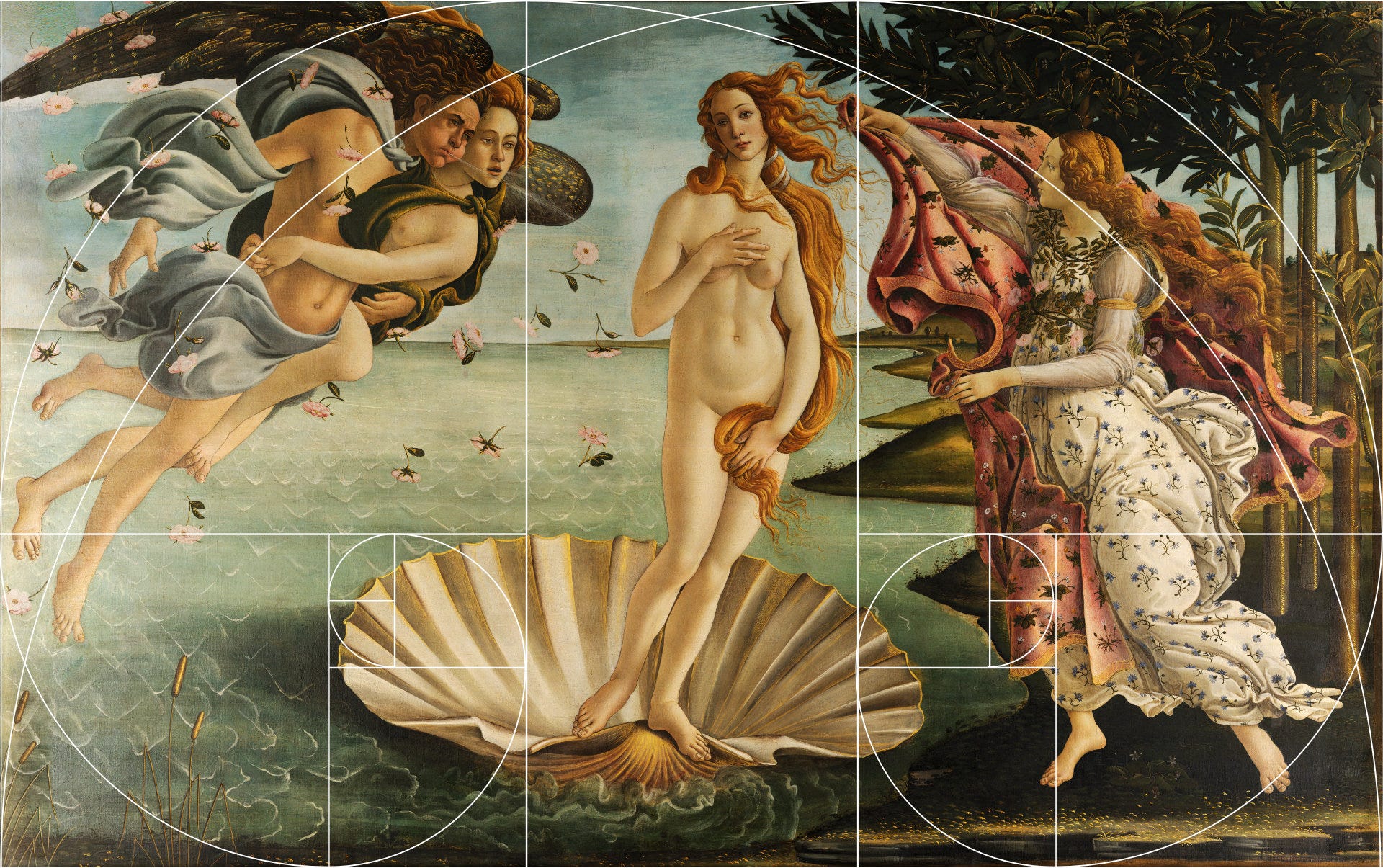
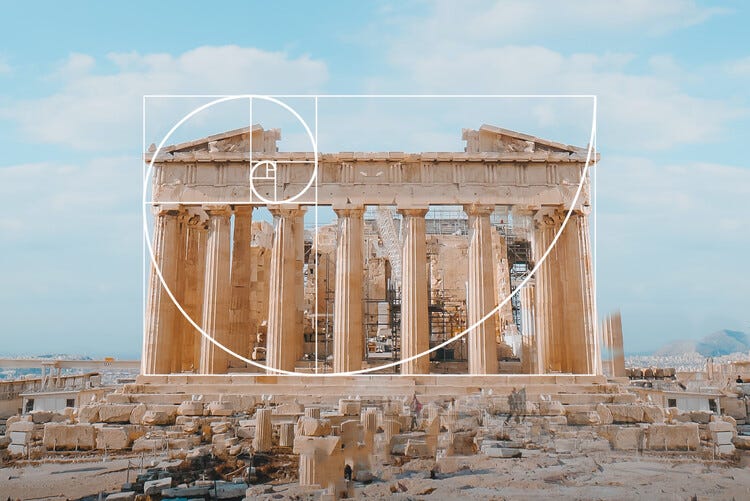
Tool built the Fibonacci Sequence straight into the lyrics, time signature, and structure of the title track, “Lateralus.”
The syllables follow the below sequence:
Black (1)
Then (1)
White are (2)
All I see (3)
In my infancy (5)
Red and yellow then came to be (8)
Reaching out to me (5)
Lets me see (3)
It builds up then releases downward, like a spiral. The structure starts simple, expands, peaks, then pulls back in; using the same motion the Fibonacci Sequence uses to create the Golden Ratio. I find that extremely cool.
If you’ve never heard Lateralus before, I recommend listening to the album from start-to-finish. The opening track, “The Grudge”, is extremely high-octane. “Schism”, Tool’s most popular song, is one of the most unique songs I’ve ever heard. It’s about how relationships fall apart due to failed communication. The song itself feels like a collapsing relationship.
I strongly recommend watching the entire music video. The surreal animation directed by guitarist Adam Jones features two humanoids in a relationship who can’t communicate. The female tries to make the male open up by poking and prodding him but to no avail, until they physically merge and fuse together into a conjoined but grotesque being. It’s raw, nightmarish, and dreamlike. I’ve never seen anything like it.
After “Schism”, you’ll hear my favorite song on the album — “Parabola.” If you’re driving — I recommend first blasting the preamble “Parabol” for the perfect transition.
10,000 Days (2006)
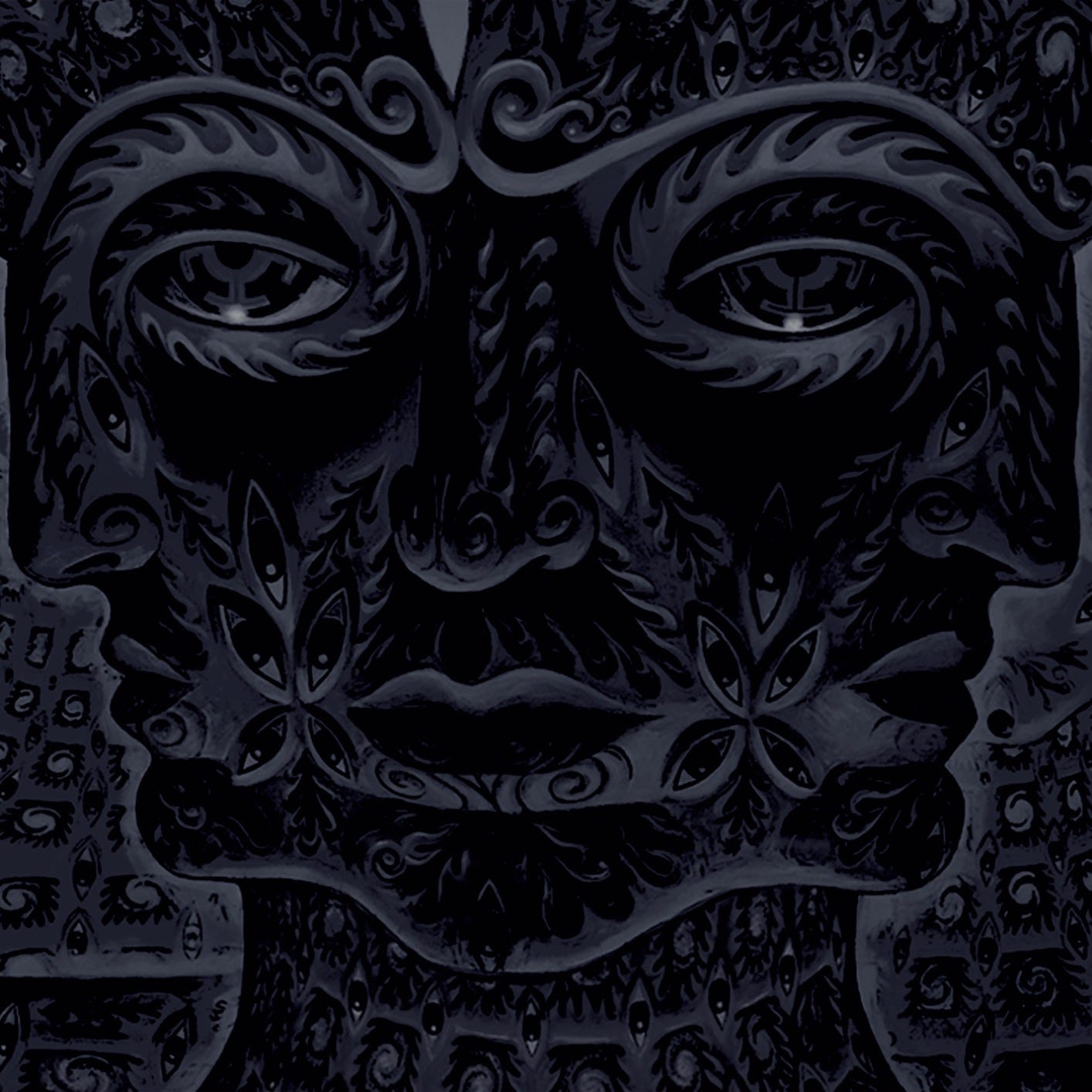
Tool made their fans wait 4 years and 8 months in between Ænima and Lateralus, then 5 years for 10,000 Days. I’ll be honest, I’ve only recently given this album its proper due. Redditors and hardcore fans are probably screaming right now, and I deserve it. There are a few songs on this album that are so incredible, so repeatable, that I simply didn’t want to move onto the whole album. Only recently have I understood the perfection that is “Rosetta Stoned.” The songs I’ve been most addicted to for over 2 decades now are “Vicarious,” “Jambi,” and “The Pot.”
“Vicarious” is one of the most powerful first-tracks to an album I’ve ever heard. The lyrics are about the media and society feeding on other people’s pain. The music is propulsive and restless.
“Jambi” is driven by the intensity of Justin Chancellor’s groove on the bass. Danny Carey’s drumming once again feels tribal and circular.
“The Pot” is one of the most aggressive and rhythmically complex songs on the album. The main riff is angular and off-kilter. The song constantly shifts under your feet. The lyrics are about hypocrisy and self-righteousness (“Who are you to wave your finger?”). Maynard’s vocals are venomous. The whole track feels confrontational and significantly less meditative than any track on Lateralus.
Fear Inoculum (2019)
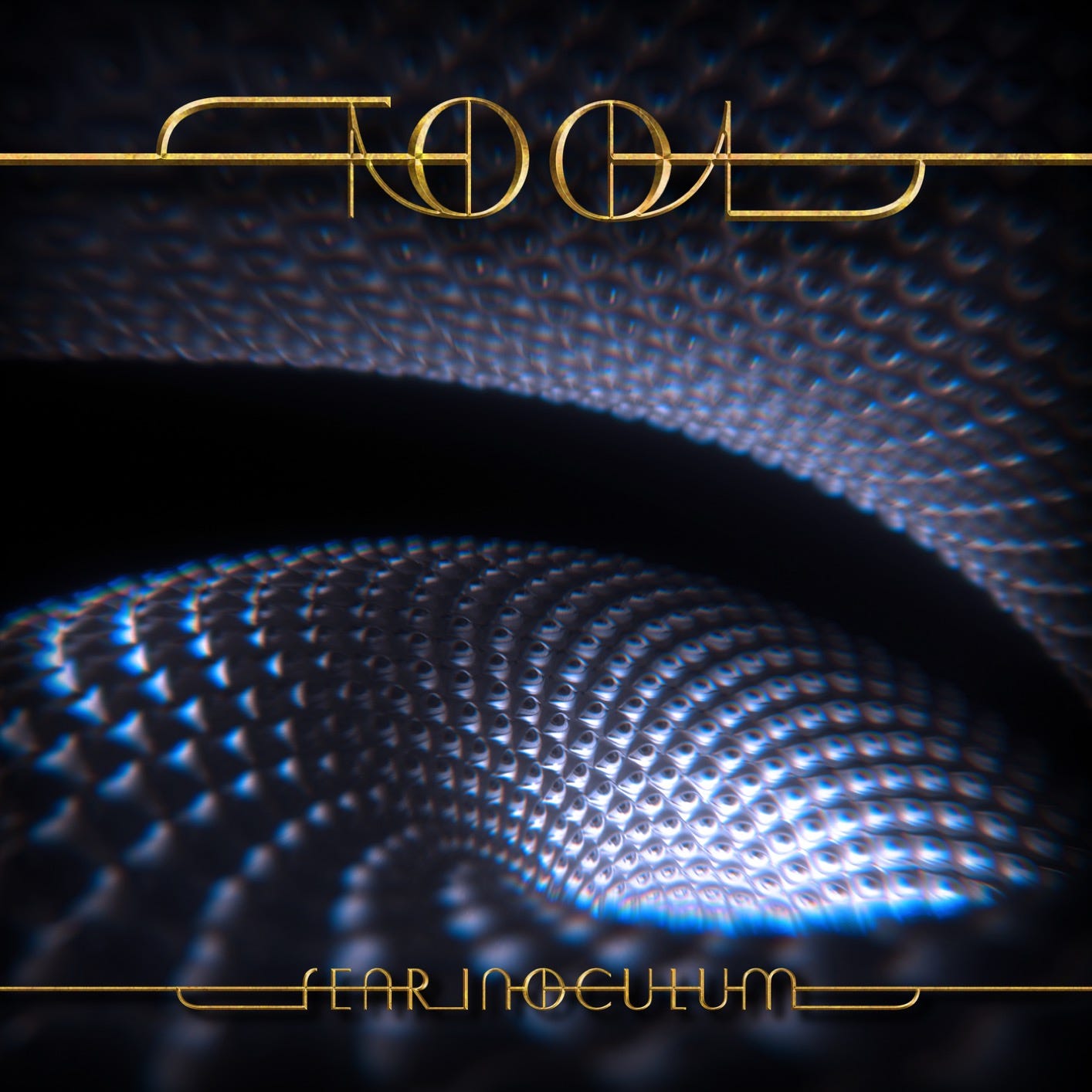
Tool made us, their fans, wait 13 years and 4 months for Fear Inoculum. I didn’t know what to expect. They’ve barely performed live since 10,000 Days and most of the band was in their mid-50’s by then. I was preparing for a fall-off, until they randomly dropped a teaser of Adam Jones playing the riff to “Descending.” I immediately knew this was the Tool I loved and that the album would not be a disappointment.
True story: a co-worker and I were at a work event and skipped out on a cocktail hour to catch up and drink whiskey. We were talking about how excited we were for the new album to drop and checked their tour dates. We noticed they were playing in the Czech Republic. Neither of us have been there, so we drunkenly decided to book a flight to Prague. It was the first time either of us saw them live, and it was one of the best decisions I ever made.
Fear Inoculum, as expected, is their most mature album. The songs are spacious and expansive. They have a lot of room to breathe. The intensity is more controlled. Most of the songs are over 10 minutes.
Inoculum is the scientific term for substances introduced to a person, animal, plant, or culture to trigger growth or an immune response. That idea runs throughout the lyrics. “Invincible” is about a man who is confronting aging and declining power but refuses to go down without a fight (“Warrior struggling to remain, relevant. Warrior struggling to remain, consequential.”). The title track, “Fear Inoculum,” is about shedding fear and old patterns (“Immunity, long overdue. Contagion, I exhale you.”).
“7empest” is the longest and most progressive song on the album, lasting over 15 minutes. It moves through multiple distinct sections with some of Adam Jones’s most intricate and aggressive guitar riffs. “Pneuma” is one of the most beautiful things Tool has ever put out. The word pneuma means breath, spirit, or life force. The whole song has a prayer-like element. The way Tool uses space on this song is elegant. Both songs feel like the more expansive pieces on Lateralus and 10,000 Days.
My favorite song on Fear Inoculum is “Descending.” It slowly unfolds with a dream-like introduction. The textures are ethereal. The mood is alluring. You might feel like you’re drifting. It gradually builds, rather than explodes. The guitar’s layers build over several minutes, moving from atmospheric to urgent. Maynard’s vocals arrive late in the song. He doesn’t dominate the song like he usually does. The lyrics are about humanity sleepwalking into ruin.
Fear Inoculum is my second favorite Tool album after Lateralus.
The Band
Before I give you a proper starting point, a quick introduction to the band. Tool is from Los Angeles. They’re one of the bands that defined the sound of the 2000’s who spawned out of LA, along with Rage Against the Machine, Red Hot Chili Peppers, System of a Down, Weezer, Incubus, 311, and Jane’s Addiction.
The band is four guys: Maynard James Keenan on vocals, Danny Carey (arguably the greatest drummer alive), Justin Chancellor on bass, and Adam Jones on guitar — he’s also the visual mastermind.
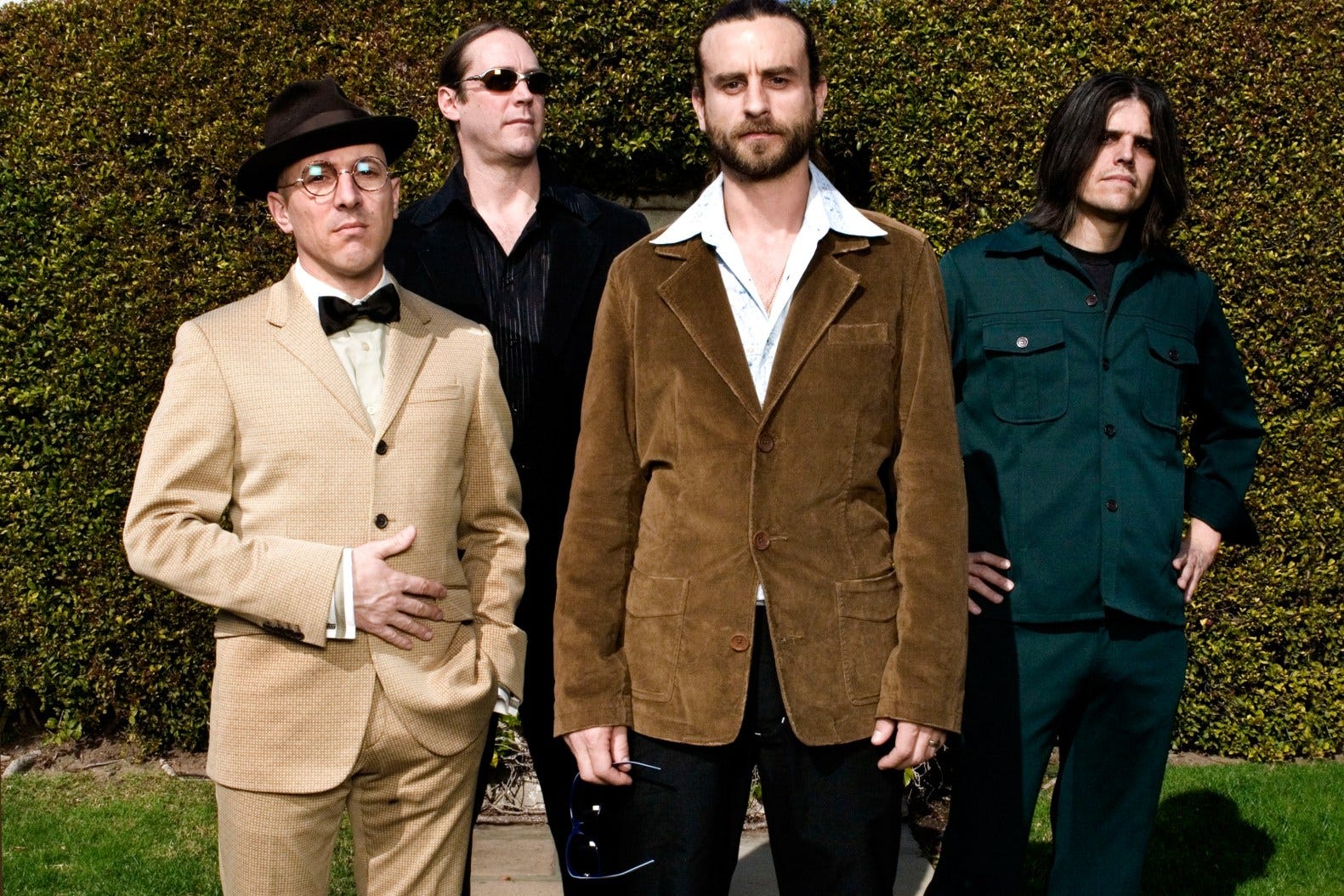
Maynard, despite being Tool’s cult leader, is standing on the left for a reason. He hates the spotlight and is notoriously private. He despises the Tool cult and lets them know it. He’s prickly, enigmatic, funny, and mysterious.
Maynard is a man of many talents. In addition to being Tool’s de facto cult leader, he’s the lead singer of A Perfect Circle and Puscifer. He owns several restaurants and two award-winning wine vineyards in Arizona. He’s also a black belt in jiu jitsu. Maynard is a unique individual, to say the least.
Adam, Justin, and Danny write Tool’s music without Maynard over the course of several years before they present it to him. He only writes lyrics and melodies for the songs he approves of, then adds the finishing touches. Their chemistry is perfect.
Why You Should Listen to Tool
Tool’s core intensity over 33 years has remained consistent. They keep evolving without losing what makes them Tool. Their music only gets more deliberate. The combination of aggression, mathematical precision, and hypnotic quality of their sound is unlike any other band I’ve heard.
Tool is the closest we have to a modern Led Zeppelin — my favorite band of all time. Their ambition and sustainability are highly comparable. They don’t sound alike, but their discographies have the same gravitas.
Tool remains my favorite modern band because I relate to it both musically and lyrically. Aside from being perfect music to lift to, Tool has pulled me out of many spiritual ruts. Tool speaks to me directly in a way no other band has come close to.
If this is your first time, start by listening to Lateralus from front to back. Then try “Stinkfist” and “Forty Six & 2” on Ænima, followed by “Vicarious” and “Rosetta Stoned” on 10,000 Days, then “Invincible” and “Descending” on Fear Inoculum. Welcome.


Immediate notification click. I see Tool I like.
This is an epic article