


What’s the difference between a good memory and nostalgia? Is nostalgia caused by the mere passage of time or the yearning for a past self?
What is the purpose of nostalgia? Is it a psychic resource to provide perspective or a coping mechanism to deal with the present?
What if you don’t have a positive past? Which memories are unlocked for people who spent their high school years locked indoors due to COVID?
What’s the difference between being nostalgic and hating your life? Is nostalgia a teacher or a drug?
What is Nostalgia?
The difference between a good memory and nostalgia is longing. A good memory is experienced as a warm recollection. Being nostalgic implies yearning.
Nostalgia exists either because you can’t turn back time or you wish the past was your present. The former is bittersweet, the latter is tragic.
Inevitably, as one matures, one will be nostalgic for a past that was more carefree with less responsibility. In this sense, nostalgia is a normal part of life. Who doesn’t enjoy re-experiencing themselves as a child or teenager, temporarily?
If your past was significantly better than your present, then nostalgia also makes sense. Why fixate on your negative present when you could re-experience a more positive past? Even though it makes sense, nostalgia becomes a hindrance.
Some evolutionary psychologists believe nostalgia evolved as a resource to help people counter loneliness, boredom, or meaninglessness.1 Some see it as an existential tool to buffer awareness of one’s mortality, which can cause depression or deep regret.2
Nostalgia can be a teacher to provide necessary perspective. But nostalgia is also a temptress. It’s easy to be seduced and trapped by its allure, like quicksand. Nostalgia can play tricks on you.
For many, nostalgia is a drug.
Nostalgia as a Crutch
When nostalgia is a coping mechanism, you see yourself as who you were then to avoid knowing who you are now.
Hence the guy who can’t start a sentence without saying ‘Remember when…?’ — the guy who is still the same guy he was in high school. This may be endearing, but he never evolved. He never became a more enhanced version of himself. He peaked, then he stagnated.
Nostalgia becomes cope when they cannot close chapters and move on from who they no longer are. Their past is too intertwined with their present self rather than integrated with it. The past becomes a future identity crisis.
The saddest cases are people nostalgic for a time they never even experienced. Guys who post “this is what they took from you” with a picture of some hot girl from the 80s, as if there aren’t hot girls everywhere now. This is depression manifested as whining.
Nostalgia addiction prevents people from creating new memories. They’re living in the past and thus don’t take on the present. They don’t create new positive experiences, and therefore don’t create new positive memories.
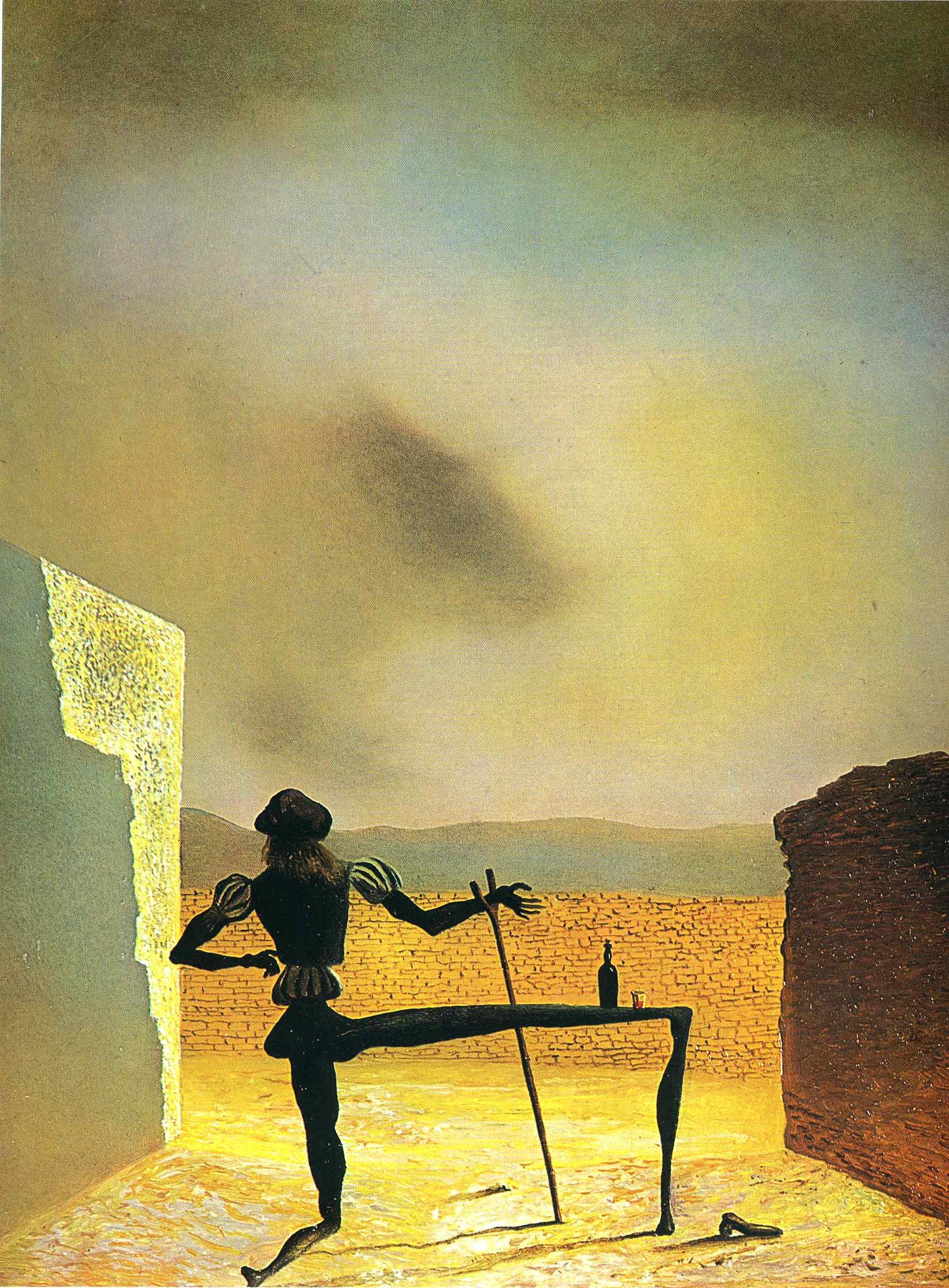
Nostalgia as a Teacher
Nostalgia experienced positively doesn’t imply you love or hate your present. It’s experienced maturely. You have an integrated relationship with your past, and allow those experiences to flow through you. These experiences come and go with a bit of an afterglow.
When your past is fully integrated, nostalgia is experienced as gratitude. You feel lucky to have ever had those experiences at all.
My heart breaks for people who couldn’t create good memories due to circumstances outside of their control. If you didn’t get to drive around with your friends in your first car while blasting your favorite songs because you were locked indoors due to COVID, you should want revenge. That is something they actually took from you.
Reliance on nostalgia will continue as our culture continues to stagnate, but you can’t blame Stuck Culture forever. We still have an immense amount of freedom in comparison, and there’s nothing stopping you from recreating yourself, severing your past, and creating new positive memories.
Ideally, you will one day be nostalgic for who you are now.
Constantine Sedikides and Tim Wildschut, “On the Nature of Nostalgia: A Psychological Perspective,” Emotion Review (2025), https://doi.org/10.1177/17540739241303497
Jacob Juhl, Clay Routledge, Jamie Arndt, Constantine Sedikides, and Tim Wildschut, “Fighting the Future with the Past: Nostalgia Buffers Existential Threat,” Journal of Research in Personality 44, no. 3 (2010): 309–314, https://doi.org/10.1016/j.jrp.2010.02.003.


